
Detailing a classic for winter storage in Twinsburg
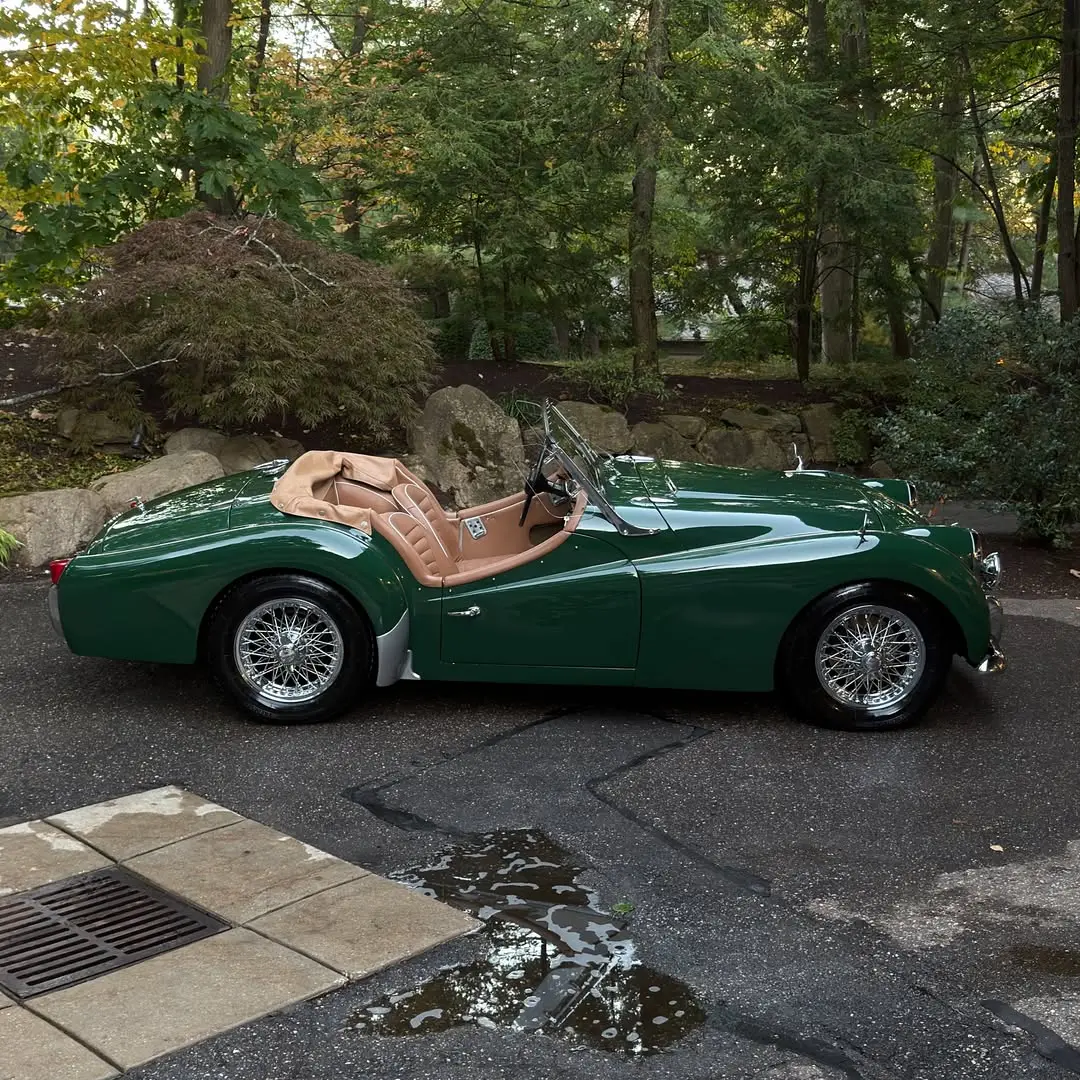
A classic that sits in a Twinsburg garage from late November to spring keeps whatever is on it when the cover goes on. Road film, bug spots, a fall drive’s worth of dust and a damp carpet all sit there for 4 or 5 months. Clean it fully first, dry it completely, and the car comes out in spring the way it went in.
Why does storage season start now in Twinsburg?
Because the brine trucks are about to start. Northeast Ohio sits in the lake-effect snow belt, and crews pre-treat the roads with liquid brine ahead of a storm, then spread salt during it (source). Once Darrow Road, East Aurora Road and Ravenna Road go white, a weekend drive in a car with original chrome isn’t worth the salt.
So the last dry fall day is the deadline. The trouble is that most classics get parked right after their last cruise, still carrying that drive on the paint and in the wheel wells. Under a cover in a closed garage, all of it stays put until April.
What happens to a dirty car over a Twinsburg winter in the garage?
Nothing good, and none of it shows until you pull the cover off.
- Bug and sap spots etch. Bug remains and tree sap from a fall drive past the Twinsburg Ledges or down a leafy Heritage Hills street are acidic. Left on for months, they can leave marks in the paint that a wash no longer removes.
- The cover grinds in the dust. A car cover is only as clean as the paint under it. Dust and road grit trapped between them rub the finish every time the cover shifts or gets pulled back for a look.
- Damp carpets stay damp. A late drive on a wet fall day leaves moisture in the floor mats and carpet. In a closed garage through a cold Ohio winter, that’s how a musty smell, mildew and surface rust on seat tracks and floor pans get started.
- Wheel wells hold grit. Mud and leaf debris packed behind the tires sit against the inner fenders and suspension for months.
What should a classic get before it’s stored?
A full clean, with the drying done just as carefully as the washing. In the order we do it:
- Rinse the wheel wells and underside edges first. Get the packed leaves, mud and grit out from behind the tires and along the rocker seams. Then the paint.
- Foam and hand wash, one panel at a time. On older single-stage paint, no automatic wash and no brushes: just a soft mitt, rinsed after every panel.
- Take off what washing leaves behind. Bug spots, sap and stuck-on film come off in decontamination so they can’t keep working on the paint all winter.
- Dry everything, including the places water hides. Chrome trim, bumper bolts, door jambs, the trunk gutter and the folds of a convertible top. A classic should never go under a cover with water sitting in a seam.
- Protect the paint. A fresh layer of protection gives dust something slick to sit on instead of the clear coat or single-stage paint.
- Clean and dry the inside. Vacuum the carpets, pull and dry the mats, and wipe down the dash and seats. Crumbs and wrappers left in a stored car are what draw mice into a garage.
That’s an exterior detail on the outside and an interior detail on the inside, done the day the car is going away.
Why do it in your own garage instead of driving it somewhere?
Because the car never has to touch a wet road again before spring. We’re mobile only: Speed Spa Auto Care comes to your garage or driveway in Twinsburg, so the classic gets washed, dried and covered in the same spot it will spend the winter. No drive home on a cold, damp afternoon, and no fresh road spray on the paint you just had cleaned.
Working in the garage also helps the drying. With the door down, there’s no wind blowing dust and leaves onto wet panels, and we can take our time on the trim and jambs. If you’d rather we work on the driveway apron and you pull it in after, that’s fine too. We’re out 9 AM to 8 PM, 7 days a week, so a weekday evening in your garage works as well as a Saturday.
What if the paint already has swirls?
Then winter storage is a good time to deal with them. Classic paint often carries years of hand-wash swirls and light scratches, and they show the most under bright garage lights. Paint correction polishes those out, and the car then sits in a closed garage while the finish stays clean and covered.
You don’t have to decide that on the spot. Ask us to look at the paint during the storage detail, and we’ll tell you whether it needs correction or just a good wash and protection.
What do you get in spring?
A car you can drive the day the roads clear, instead of one you have to clean first. The 1962 Triumph TR3B in the photo above was detailed for the first time in years. Cars that come out of storage clean can skip that kind of catch-up and go straight to their first drive.
If a show is on the calendar, that head start matters. Twins Days brings an estimated 20,000 to 30,000 visitors to Glenn Chamberlin Park every August (source). A classic that spent the winter clean only needs a quick touch-up before then.
When should you book it?
Before the first storm that has the brine trucks out on I-480, and on a day you’re done driving it for the year. Call 216-389-0795 with the car and where it’s parked, and we’ll set a time in your garage. An exterior detail starts at $109; see pricing for everything else.